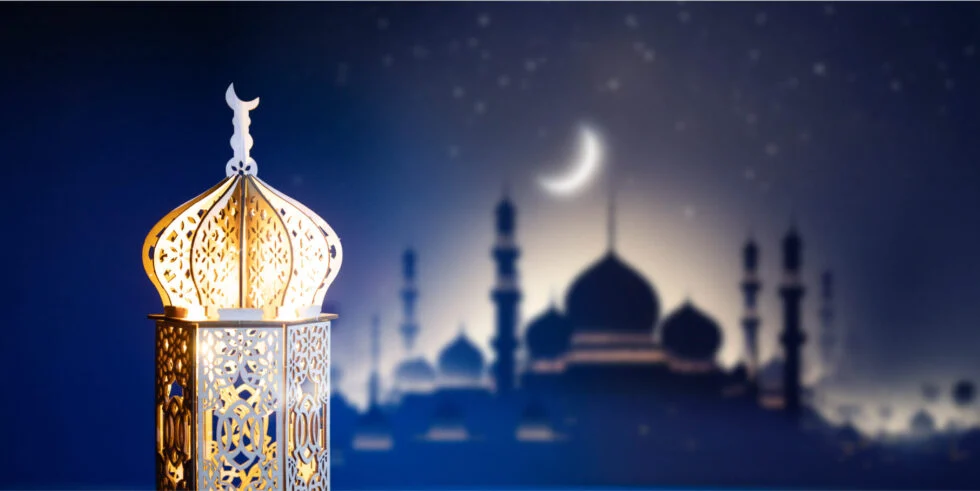
Every year, millions of Muslims around the world observe Ramadan, a month known for fasting, prayer, and community. While many people recognize Ramadan as the time when Muslims do not eat or drink from sunrise to sunset, the holiday has a deep history that goes back more than 1,400 years.
Ramadan began in the early days of Islam in the 600s CE. Muslims believe the month is sacred because it was during Ramadan that the first verses of the Quran were revealed to the Prophet Muhammad through the angel Gabriel. This moment, known as Laylat al Qadr, or the Night of Power, is considered one of the holiest nights in Islam. Many Muslims spend extra time praying and reflecting during the last ten nights of the month in hopes of experiencing its blessings.
Fasting during Ramadan is one of the Five Pillars of Islam, which are the main acts of worship that guide Muslim life. The practice became part of Islamic tradition in the second year after the Prophet Muhammad migrated from Mecca to Medina, a journey called the Hijra. Fasting was not introduced simply as a test of hunger. It was meant to encourage self discipline, gratitude, and empathy for people who struggle to access food and basic needs. Muslims also use the month to focus on patience, kindness, and strengthening their relationship with God.
Over time, Ramadan traditions have grown across different cultures. Even though the purpose of the month stays the same, the ways people celebrate can look different depending on where they live. In many countries, families wake up before sunrise to eat suhoor, a pre dawn meal, and they break their fast at sunset with iftar. Dates are a common food used to break the fast because it is connected to the traditions of the Prophet Muhammad. Mosques often host nightly prayers called taraweeh, and communities come together for shared meals, charity drives, and service projects.
Ramadan ends with a celebration called Eid al Fitr, which means the Festival of Breaking the Fast. Eid is marked by special prayers, family gatherings, and giving gifts. Another important part of ending Ramadan is zakat al fitr, a charitable donation that helps ensure everyone, especially those in need, can celebrate the holiday.
Even though Ramadan began centuries ago, its message continues to feel relevant today. It reminds people to slow down, reflect, and think about how they treat others. For many Muslims, Ramadan is not only about fasting. It is about resetting your mindset, strengthening your faith, and reconnecting with your community.