In Ms. Itwaru’s Forensics class, students are getting a hands on look at how science can help solve real mysteries through facial reconstruction. Using skull models and reference guides, students are learning how forensic artists and anthropologists estimate what a person may have looked like based on bone structure. The project blends anatomy, observation, and careful attention to detail, turning the classroom into a mini crime lab.
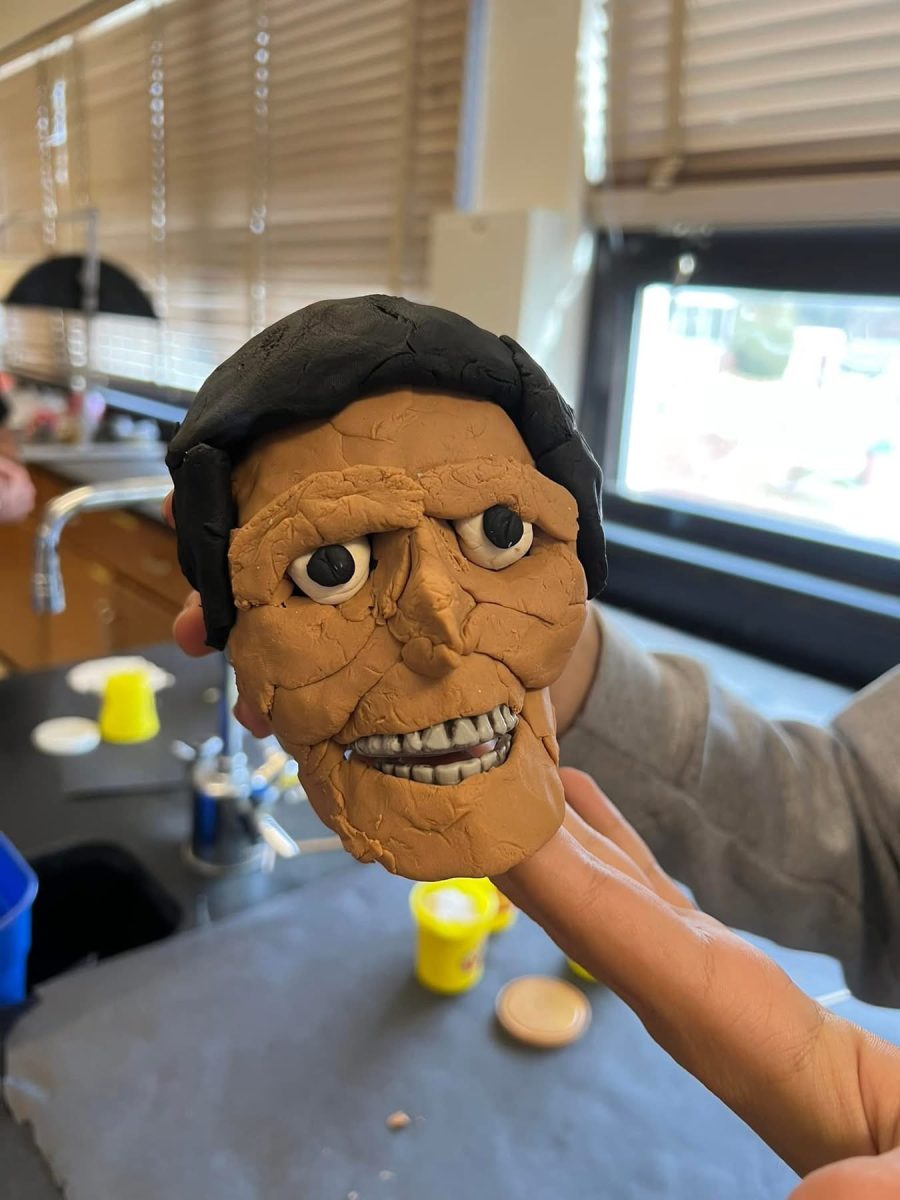
Students begin by studying key features of the skull, like the shape of the jaw, cheekbones, brow ridge, and nasal area, because these clues help determine the general structure of a face. From there, they build outward, adding tissue depth markers and shaping facial features step by step. Some students use clay to layer muscles and skin, while others sketch reconstructions using measurements and proportions. Along the way, Ms. Itwaru emphasizes that facial reconstruction is not about creating a perfect match, but about creating a scientifically informed likeness that can help generate leads.
Beyond the creativity of the final product, the assignment teaches students why facial reconstruction matters. In real investigations, it can help identify unknown individuals and bring answers to families and communities. For many students, the project has been a powerful reminder that forensics is not just about solving cases. It is about using science to tell someone’s story when they cannot speak for themselves.